West Kensington station rubbish collection and removal guide
Posted on 26/05/2026
If you live, work, or commute around West Kensington station, rubbish has a habit of building up faster than you expect. One minute it's a few moving boxes and a broken chair; the next, there's a hallway full of old bits you meant to sort "at the weekend". This West Kensington station rubbish collection and removal guide is here to make the whole process feel clearer, calmer, and a lot less messy.
Whether you are clearing a flat near the station, tidying a rental between tenancies, shifting office waste, or dealing with bulky items after a renovation, the same questions come up: what can be collected, how quickly, what should be recycled, and what should you avoid? Below, you'll find a practical, local guide that covers the job properly, without the waffle.
For readers who want a broader view of available services, it can also help to look at the full services overview and the main rubbish clearance in West Kensington page before choosing the right option.
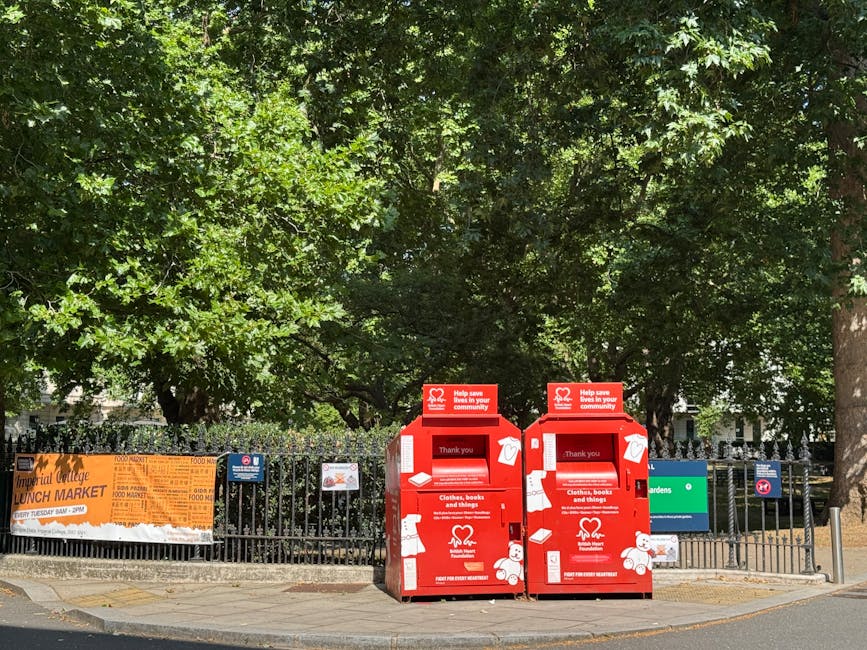
Why West Kensington station rubbish collection and removal guide Matters
West Kensington is busy, compact, and full of properties that see a lot of turnover. That matters because rubbish removal here is rarely just about "getting rid of stuff". It's about timing, access, neighbours, shared entrances, parking, and making sure waste is handled responsibly.
Near a station, the practical problems stack up quickly. Flats often have narrow stairwells, limited lift access, and awkward kerbsides. If you leave bags in the wrong place, they can become a nuisance very quickly. If you are in a managed building, there may also be communal rules about storage, collection times, or what can be left outside.
There is also a wider environmental side to this. A proper collection and removal service should separate recyclables where possible, reduce unnecessary landfill, and keep bulky items out of the wrong waste stream. If that sounds obvious, fair enough - but in real life, people are busy. The result is often a pile of "I'll deal with it later" items that need a proper plan.
This is especially useful if you're moving home, clearing after refurbishment, or dealing with a sudden pile-up after a tenancy change. For example, someone moving out of a flat near the station may need a same-day uplift for old furniture, packaging, and a few bits of general waste. Someone running a business nearby may need a more structured office clearance with more attention to paperwork and disposal types. Different job, different plan.
That's why a local guide helps: it gives you a way to choose the right approach instead of just guessing. And guessing with waste is usually how you end up paying twice, or making a mess of the whole thing.
How West Kensington station rubbish collection and removal guide Works
In simple terms, rubbish collection and removal near West Kensington station usually follows a few familiar steps. The exact process depends on the provider and the type of waste, but the overall pattern is fairly consistent.
First, you identify what needs to go. That sounds basic, but it's the bit people rush. Is it general household rubbish? Old furniture? Builder's rubble? Garden cuttings? Office equipment? A mixed load? The better you define it, the easier it is to plan.
Next, the collection method is matched to the job. Small loads might be collected quickly, while larger clearances may need a team, vehicle space, and extra lifting support. If you are unsure what you need, a service such as your rubbish removal needs explained can help you think it through before booking.
After that, collection is scheduled around access. Near a station, this matters more than people think. Traffic, parking, and busy pavements can affect timing. A good provider will usually factor in loading access, floor level, and whether items are inside the property or already at the kerbside.
Then the waste is loaded, sorted, and taken for disposal or recycling. At this stage, the standard expectation is that reusable or recyclable materials are separated where possible. You may not see the full sorting process, but you should expect it to be handled sensibly and lawfully. The more transparent the service, the better.
For mixed property projects - say a flat clearance followed by a few builder's leftovers - it can be useful to pair general removal with a more specific service like builders' waste disposal in West Kensington or house clearance in West Kensington. That keeps the job tidy and avoids putting everything into one vague category.
Key Benefits and Practical Advantages
A well-run rubbish collection service does more than remove clutter. It saves time, reduces stress, and helps you avoid the awkward bits that often come with DIY disposal.
- Less lifting and fewer injuries: Bulky items like wardrobes, mattresses, and broken appliances are awkward. One bad twist with a stairwell and you'll feel it the next morning.
- Faster turnaround: A professional collection can clear a room, flat, or office far quicker than repeated trips to a tip.
- Better use of space: Especially in West Kensington, where storage can be tight, clearing waste quickly helps you reclaim rooms and hallways.
- Cleaner handovers: Useful for landlords, tenants, agents, and anyone preparing a property for sale or let.
- More responsible disposal: Recycling and proper waste transfer are a big part of modern removal work. You should expect this to be handled with care.
There's also a subtle benefit people overlook: mental clarity. A cluttered hallway or box-filled spare room can make everything feel heavier. Clear the waste, and the space often feels bigger immediately. A bit obvious maybe, but true.
If you're also thinking about recycling habits and what happens after collection, the page on recycling and sustainability is a sensible next read.
Who This Is For and When It Makes Sense
This guide is useful for a surprisingly wide group of people. In practice, rubbish collection around West Kensington station is not just for one-off household clearances. It's for anyone who needs things removed without drama.
- Tenants: Especially when moving out and trying to leave the place in decent shape.
- Landlords and agents: For end-of-tenancy clearances, abandoned items, and quick turnarounds.
- Homeowners: Renovations, attic clear-outs, garden waste, or long-overdue decluttering.
- Businesses: Office furniture, archive waste, packaging, and equipment disposal.
- Developers and trades: Plasterboard, timber, rubble, and mixed construction debris.
It makes sense when the waste is too bulky, too much, or too inconvenient to deal with yourself. Honestly, if you find yourself saying "I'll just make a few trips" and then looking at the pile for three days, that's usually your clue.
It also makes sense if access is difficult. Flats above shops, basement spaces, narrow roads, and shared entrances are all common in London, and they change what's practical. Sometimes the smartest choice is to let someone else do the lifting.
For business users, a focused office solution such as office clearance in West Kensington can be a better fit than a general rubbish service, particularly if furniture and confidential materials are involved.
Step-by-Step Guidance
If you want a smooth collection, a little preparation goes a long way. Here's a simple approach that works well in real life.
- Sort the waste by type. Group general rubbish, recyclables, furniture, electricals, and garden waste separately where possible.
- Check what needs special handling. Items like fridges, TVs, paint, chemicals, or sharp materials may need extra care.
- Measure bulky items. Door widths, stair turns, and lift dimensions can save a lot of trouble later. Yes, even one awkward sofa can become a whole event.
- Decide where items will be collected from. Kerbside collection, inside-property uplift, and top-floor removal all require different planning.
- Ask about recycling and disposal routes. A transparent service should be able to explain how different waste types are handled.
- Confirm access details. Parking, gates, concierge instructions, and time windows are all worth confirming in advance.
- Book the right service size. A small load is not the same as a full flat clearance. Don't undershoot and hope for the best.
- Keep the path clear. It sounds minor, but clear hallways and stairs help the job move quickly and safely.
If you are dealing with heavier or sharper waste from a renovation, it can be sensible to use a specific service rather than a general collection. The point is not to overcomplicate things. The point is to get it gone safely, and without a dozen tiny surprises on the day.
Expert Tips for Better Results
There are a few habits that make rubbish removal much easier, especially in a busy area like West Kensington.
First, do a five-minute sweep before the collection arrives. It sounds small, but it helps you avoid mixed loads where loose items, bags, and hidden bits get forgotten behind the sofa. I've seen people discover three extra bags after the team had already started loading. Annoying. Easily avoided.
Second, be honest about the volume. A "small load" that turns out to be a van-full wastes time for everyone. Better to overestimate slightly than to squeeze things in and create a second job.
Third, separate anything reusable. If there's a working desk, lamp, or chair that could be donated or reused, keep it aside before the collection. That tiny pause can make a proper difference.
Fourth, think about timing around station traffic. Early mornings, school runs, and peak commuter periods can affect access. A quieter window may reduce delays. Not always possible, of course, but worth thinking about.
Fifth, keep a note of the waste types you're disposing of. It helps if you later need to explain what was removed, especially for landlords, managing agents, or business records.
And one more: if you are not sure whether something qualifies as general rubbish, bulky waste, or trade waste, ask before collection day. A quick question now is cheaper than a confusion-laden pickup later. Truth be told, that one saves a lot of hassle.
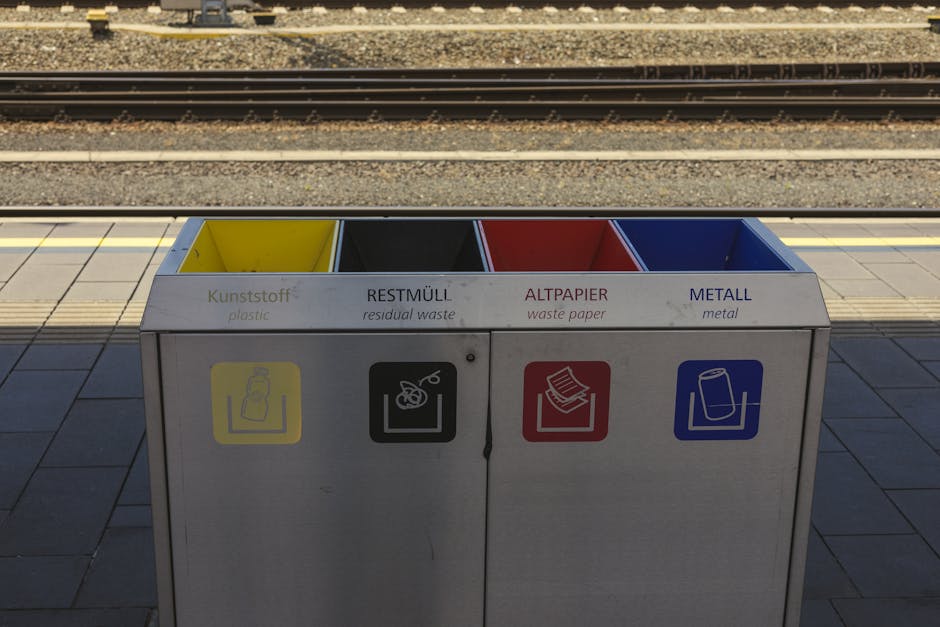
Common Mistakes to Avoid
Most rubbish removal problems are avoidable. The same few mistakes keep showing up, and they usually cost time or money.
- Mixing everything together blindly: This makes sorting harder and can complicate disposal.
- Leaving waste in the wrong place: Hallways, pavements, and shared entrances are not free storage.
- Underestimating access issues: Narrow stairs and limited parking can quickly change the plan.
- Forgetting special items: Fridges, mattresses, electricals, paint, and similar items may need extra handling.
- Booking too late: If you need a clearance before a move or handover, leave enough time for the unexpected bits.
- Assuming all waste can go the same way: It can't, and trying to force it usually backfires.
For the sake of clarity, not every pile of rubbish is the same. That's why many people find it helpful to look at waste removal in West Kensington as a general starting point, then decide if a specialist service is needed. A bit of sorting upfront can save a lot of friction later.
Tools, Resources and Recommendations
You do not need fancy equipment to prepare for rubbish collection, but a few simple tools help a lot.
- Heavy-duty bags: Useful for loose waste, old textiles, and lighter mixed rubbish.
- Sturdy gloves: Worth having if you're moving broken materials, old shelving, or garden waste.
- Tape measure: Helpful for sofas, bed frames, wardrobes, and awkward bits of furniture.
- Labels or notes: Handy if you are separating items for recycling or keeping anything aside.
- Phone photos: A quick picture of the pile can help with quotes and avoid misunderstandings.
On the resource side, a few website pages are worth bookmarking if you want to move from planning to action in a sensible order. The pricing and quotes page helps set expectations, while insurance and safety explains the kind of reassurance many customers like before booking. If you want to learn more about the company behind the service, the about us page is useful too.
And if you are dealing with a one-off pile of mixed waste after a clear-out, the broader your rubbish removal needs page can help you match the job to the right solution. Simple, but effective.
Law, Compliance, Standards and Best Practice
Waste removal in the UK is not just a matter of loading a van and driving off. There are legal and practical expectations around how waste is handled, especially when it is collected commercially or transported by a service provider.
You do not need to memorise legislation to make a good decision, but you should know the basics. Responsible providers should handle waste through proper channels, and they should be able to explain, in plain English, how they manage disposal and recycling. If something sounds vague, that is usually a bad sign.
For householders and businesses alike, best practice includes:
- keeping waste types separated where possible
- avoiding fly-tipping or leaving waste in public areas
- ensuring electricals and hazardous items are treated appropriately
- choosing a provider that uses lawful disposal routes
- checking the service is transparent about collection, transport, and handling
If you are a business, office clearances may also need a little more care around data, equipment, and access control. It may feel like overkill to think that far ahead, but in practice it is just good housekeeping. The same goes for larger project waste. If you're handling construction debris, it is worth reviewing a specific service such as builders' waste disposal in West Kensington rather than assuming a standard removal will do the job properly.
There are also trust factors that matter to customers: payment security, fair terms, and clear policies. If you want to check the practical side of booking and service terms, the pages on payment and security and terms and conditions are the kind of things sensible people glance at before confirming anything. Not glamorous, no, but useful.
Options, Methods and Comparison Table
There are usually several ways to deal with rubbish around West Kensington station, and the best choice depends on time, volume, and access. Here's a simple comparison.
| Method | Best for | Pros | Watch-outs |
|---|---|---|---|
| DIY trip to a disposal site | Very small volumes, time to spare | Potentially low direct cost, flexible timing | Time-consuming, labour-heavy, parking and loading hassle |
| Kerbside collection | Pre-bagged waste, easy access | Simple, less lifting, faster pickup | Not suitable for all waste types, can be awkward in busy streets |
| Full rubbish clearance service | Mixed waste, bulky items, busy schedules | Quick, handled by a team, less stress | Needs accurate job description and access details |
| Specialist waste removal | Builders waste, garden waste, office clearances | Better suited to specific waste streams, usually more efficient | Choose the right category to avoid delays |
For many local customers, a tailored removal service is the sweet spot. It keeps the work moving and avoids the trap of trying to make one method fit every kind of waste. If the job is house-related, for example, house clearance in West Kensington is often the more practical route than piecing together several small disposal trips.
Case Study or Real-World Example
A common local scenario looks something like this. A tenant in a flat near West Kensington station is moving out on a Friday, keys are due back that afternoon, and the property still has a broken desk, two chairs, a mattress, a handful of bags, and a box of old kitchen bits. Nothing dramatic. Just enough to become stressful.
Instead of trying to split the job across several car trips, the tenant groups everything the night before, checks access with the building manager, and photographs the pile for a quote. On collection day, the team can work through the items quickly because the path is clear and the load is described properly. The result is a cleaner handover and far less running around.
Now compare that with a less organised version. Items left in different rooms, no idea which chair is salvageable, blocked hallway, and one large item that doesn't fit through the door. That job takes longer, becomes more stressful, and often ends with a second visit or extra charge. Same amount of rubbish, very different outcome.
Another real-world example is a small office needing a clear-out after a relocation. Desks, packaging, filing cabinets, and a few old monitors all need attention. That is where a dedicated office clearance is often more efficient than a general uplift. It keeps the process tidy and reduces interruption to work.
Little things matter here. A labelled box, a clear route to the door, and one quick call to confirm access can save an hour or more. Sometimes more. Funny how the simple bits are the ones that save the day.
Practical Checklist
Use this checklist before your rubbish collection or removal appointment near West Kensington station.
- Have I identified exactly what needs removing?
- Have I separated recyclables, reusable items, and general waste?
- Do I know whether any items need special handling?
- Is the access route clear from the property to the exit?
- Have I checked parking, entry instructions, and timing?
- Have I measured any bulky furniture or appliances?
- Have I taken photos if I needed a quote?
- Have I confirmed whether the service is suitable for my type of waste?
- Do I know what will happen to recyclable items?
- Have I kept important items and documents out of the pile by mistake?
Quick expert summary: the best rubbish collection jobs are the ones where the waste is described honestly, access is thought through early, and the disposal route matches the material. That's really the whole game. Do that, and the day tends to run smoothly.
Get a free quote today and see how much you can save.
Conclusion
A good West Kensington station rubbish collection and removal guide should help you make practical decisions, not just explain the obvious. Around the station, where access can be tight and time is often short, a little planning makes a very real difference.
If you sort the waste properly, choose the right collection type, and check the important details upfront, you'll avoid most of the usual problems. That means less lifting, less waiting, and fewer last-minute surprises. And let's face it, that's usually what people want most: a clean finish and a calmer day.
If you are still weighing up the best route, start with the type of waste, the access you have, and how quickly the job needs to happen. From there, the right decision usually becomes much clearer. Good rubbish removal is not glamorous, but when it's done well, it makes the whole space feel lighter. That feeling matters more than people expect.

From a young age, Blair has cultivated a passion for order, which has now matured into a prosperous profession as a waste removal specialist. She derives satisfaction from transforming disorderly spaces into practical ones, aiding clients in conquering the burden of clutter.
 Tipper Van - Rubbish Removal and Rubbish Clearance Prices in West Kensington, W14
 Luton Van - Rubbish Removal and Rubbish Clearance Prices in West Kensington, W14