What West Kensington landlords must know about commercial waste
Posted on 17/08/2026
If you let out shops, offices, mixed-use units, or converted premises in West Kensington, commercial waste is one of those topics that can quietly cause big headaches. It is easy to overlook until there is a fly-tipping complaint, a missed collection, a tenant dispute, or a cost that seems to appear from nowhere. And let's face it, landlords already have enough on their plates.
This guide breaks down what West Kensington landlords must know about commercial waste in plain English. We will cover how it works, why it matters, what to watch for in real-world situations, and how to stay organised without overcomplicating things. If you manage a property near busy routes, tight streets, or shared entrances, a little planning goes a long way.
For readers looking to understand broader waste handling support in the area, it can also help to explore the full range of local waste services and how they fit different property types.

Why What West Kensington landlords must know about commercial waste Matters
Commercial waste is not just "rubbish in a bin". For landlords, it sits at the intersection of property management, tenant responsibility, building safety, and local street cleanliness. In West Kensington, that matters even more because many properties are close together, access can be awkward, and waste left in the wrong place becomes visible quickly. One overflowing bin by a shared yard can become everyone's problem by lunchtime.
The biggest reason this matters is accountability. Even if a tenant produces the waste, landlords can still be drawn into the fallout if the site is poorly managed, if waste is dumped illegally, or if collection arrangements are unclear. That does not mean you must personally handle every bag and broken chair. It does mean you need a system that is sensible, documented, and easy to enforce.
There is also the reputation side. A clean, well-run commercial unit feels safer and more professional. A messy rear alley, loose cardboard, or old office furniture left in a common area sends the opposite signal. In a market like West Kensington, where many properties are used intensively and space is limited, small waste issues can look bigger than they are. You notice it. Neighbours notice it. Potential tenants notice it too.
For landlords dealing with mixed household and business use, it helps to keep the distinction crystal clear. A flat above a shop, for example, may generate both domestic and commercial waste streams. If you want a local example of how property context shapes clearance planning, this W14 flat rubbish clearance guide near Olympia is useful background reading.
Expert summary: The safest approach is simple: make waste responsibility explicit, keep collections regular, and never assume a tenant "just knows" what to do. Most waste problems start with vague arrangements, not bad intentions.
How What West Kensington landlords must know about commercial waste Works
At a practical level, commercial waste management is about separating, storing, and removing non-domestic waste in a way that is lawful, predictable, and suitable for the building. That may include office paper, packaging, broken furniture, renovation debris, old fixtures, garden cuttings from commercial landscaping, or bulky clear-outs after a tenant changeover.
In many cases, the landlord's role is not to carry out disposal personally. Instead, your job is to set the rules, choose the right route for removal, and make sure the property is prepared for it. If the arrangement is unclear, waste can pile up in communal areas, rear service lanes, or even at the kerb where it creates an immediate nuisance.
Different types of commercial waste often need different handling. Cardboard from a shop fit-out behaves very differently from office shredding, mixed bagged waste, or bulky items from a void period. That is why one-size-fits-all thinking tends to fail. To be fair, it sounds neat on paper. In real life, it usually turns into a pile near the bin store.
For landlords with workspaces or offices, it may be worth reviewing dedicated office clearance in West Kensington options, especially where tenancies change hands or desk-heavy units need fast turnaround. And if your building also generates construction or strip-out material, the local builders' waste disposal service is more relevant than a generic rubbish collection.
Another thing landlords often miss is access. West Kensington has plenty of narrow roads, shared driveways, and awkward loading points. A waste arrangement that looks fine in a brochure can become messy the moment a large vehicle cannot reach the entrance. There is a good local discussion of this in the narrow-street access guide for rubbish removal.
Key Benefits and Practical Advantages
When commercial waste is handled properly, the benefits are broader than just "the bins are emptied". You get cleaner buildings, fewer tenant complaints, less chance of accidental breach, and better control over operating costs. That is the headline. The quieter wins matter too.
- Cleaner common areas: Hallways, bin stores, yards, and rear access points stay usable.
- Fewer disputes: Tenants are less likely to argue about who caused what, or who should pay.
- Lower fly-tipping risk: Clear arrangements reduce the temptation to dump waste elsewhere.
- Better tenant experience: Well-managed waste is one of those invisible things people notice only when it goes wrong.
- Faster void turnaround: Clear-out periods are easier to manage when waste removal is already lined up.
- Improved presentation: This matters for viewings, inspections, and general property value perception.
There is also a cost-control angle. Regular, planned waste removal is often easier to budget for than emergency clear-ups after a delay. If you have ever seen a rear yard full of packaging, old shelving, and one mysteriously abandoned office chair, you will know how quickly "we'll deal with it next week" becomes expensive.
That is why many landlords also look at transparent pricing before they commit to a provider. If you are comparing options, the local pricing and quotes page can help frame what to ask and what to expect. For additional cost-avoidance insight, the article on avoiding hidden rubbish clearance charges in West Kensington is worth a look.
Who This Is For and When It Makes Sense
This topic is not only for large commercial landlords. It is relevant to anyone managing a property where business activity creates waste, even occasionally. That includes owners of small retail units, office suites, cafes, salons, medical-adjacent premises, mixed-use buildings, and converted spaces where one part is residential and another is not.
It also matters during transition periods. A tenant moves out, a fit-out is stripped back, a storage room is cleared, or a basement use changes. Waste volumes can jump sharply for a short period, and that is where many landlords get caught out. One day the property looks normal; the next day there are bags, broken desks, and packaging stacked in the corner.
In our experience, the landlords who benefit most are the ones who treat waste like any other maintenance issue. Not glamorous, granted. But practical. If you already read about property management and local market context, the broader real estate tips for Kensington and the property buying guide can help you think about waste as part of asset care, not just cleanup.
This is especially sensible if your property sits in a busier part of the area, near station routes or delivery-heavy streets. The local logistics can be awkward at peak times. A sensible waste plan saves repeated phone calls later. And yes, fewer last-minute panic messages are always a win.
Step-by-Step Guidance
If you want a straightforward way to get on top of commercial waste as a landlord, start here.
- Identify every waste source on the property. List what the building actually produces: tenant waste, office paper, packaging, bulky items, renovation debris, garden cuttings, and anything from shared spaces.
- Separate commercial and domestic streams. If the property is mixed-use, make sure tenants know which waste belongs where. Vague instructions cause confusion fast.
- Check storage space. Bin stores, yard corners, and service entrances all need enough room. If waste is squeezed into a tiny area, it will spill out eventually.
- Set written rules for tenants. Keep them simple. What goes where, when it goes out, and who to call for bulky items.
- Choose a collection method. Decide whether the waste needs scheduled collections, one-off clear-outs, or a flexible same-day option for sudden changes.
- Build access into the plan. Measure gates, note parking limits, and think about what a collection team will actually face on site.
- Keep records. Save quotes, collection notes, and any issue reports. Useful if questions come up later.
- Review after each tenant change. A change of use, new fit-out, or empty-unit refresh often alters waste volumes.
If you need a property-specific removal route, you can start by understanding your rubbish removal needs and matching them to the actual waste mix on site. That sounds simple, but it is the step many people skip.
For buildings that also need general clearance support, the main rubbish clearance service in West Kensington is a useful fallback when the waste is mixed or not worth separating into tiny piles. If the property involves mixed household and commercial clearance during a tenancy handover, house clearance in West Kensington may also be relevant for the non-business side of the site.
Expert Tips for Better Results
Small adjustments usually make the biggest difference. One of the simplest is to standardise your waste instructions across all tenants. Do not write a new version every time. Use a single, clear set of rules and update it only when needed. People are more likely to follow instructions they can actually understand at a glance.
Another tip is to think in routes, not just in bins. Where will the waste travel from the unit to storage, and then from storage to collection? If the answer involves three corridors, a shared stairwell, and a gate that sticks when it rains, you already have a problem. Plan around that before the bags appear.
It also helps to schedule checks after busy periods. Mondays after events, end-of-month office moves, and post-refurbishment weeks tend to create sudden spikes. A quick walk-through at those points can save a lot of trouble later. You do not need a big inspection ritual. Just eyes open, kettle in hand, five minutes will do.
One more practical point: if you know a property will generate recurring bulky waste, ask about scheduled support rather than waiting for emergency removal. Same-day services have their place, especially after a sudden tenant departure, but routine waste is usually cheaper and calmer when handled as a pattern. For landlords juggling deadlines, same-day rubbish removal options in West Kensington are handy to understand, even if you hope you never need them.
Common Mistakes to Avoid
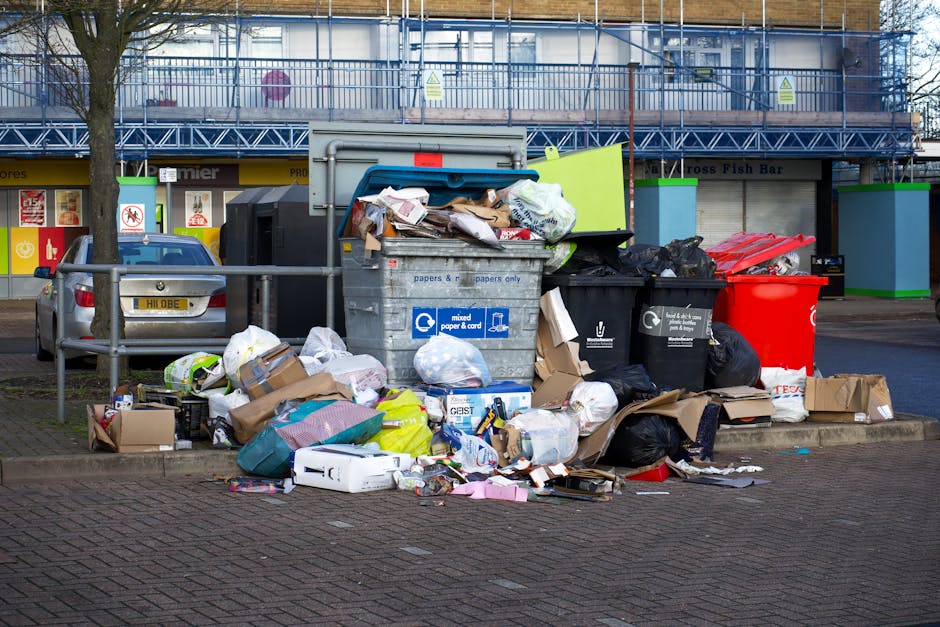
The most common mistake is assuming the tenant will sort everything out. Sometimes they do. Often they do not. And the mess tends to show up at the exact point you are busy with something else. That is just how these things go.
Other mistakes include:
- Not defining responsibility: If nobody knows who handles waste, nobody handles waste.
- Using the wrong collection method: A small domestic-style arrangement may not suit office or retail waste.
- Ignoring access problems: A collection plan that ignores narrow roads or loading restrictions is not a plan.
- Overfilling shared bins: One tenant's overflow becomes another tenant's complaint.
- Leaving bulky items "for later": Old desks, fixtures, and broken shelving have a habit of becoming permanent residents.
- Failing to separate materials: Mixed waste is more expensive and harder to manage.
- Not reviewing after changes of use: What worked for a storage unit may be useless for a salon or small office.
The hidden-cost angle deserves a mention too. Some landlords think they are saving money by waiting for the cheapest one-off option, but a delayed response can mean extra labour, blocked access, and more sorting. There is a useful local warning sign in this guide to bulk rubbish delays. It is not dramatic. Just very real.
Tools, Resources and Recommendations
You do not need fancy software to manage commercial waste properly, but you do need a few dependable habits and tools. A shared spreadsheet, a simple inspection log, and a photo record of problem areas can be enough for many landlords. Not glamorous. Still effective.
Useful resources and approaches include:
- A waste responsibility log: Note which tenant uses which storage point and when collections are scheduled.
- Property photos: Take before-and-after photos after voids, refurbishments, or clear-outs.
- Tenant instructions sheet: Keep it short and in plain English.
- Collection timetable: Especially helpful for recurring business waste.
- Access notes: Record gate widths, loading restrictions, and any awkward features.
- Budget line for ad hoc clearance: Life happens. A contingency helps.
If your property management also touches sustainability, it is worth building waste handling into that wider approach. The site's recycling and sustainability guidance is a sensible companion piece, especially if you want to reduce what goes to general waste. You can also review the company's about page to understand the local service ethos before deciding how you want to work with a provider.
For day-to-day practical handling, the area's waste removal service can suit mixed scenarios where commercial waste is not neatly contained. And if you are trying to keep smaller jobs tidy, garden waste removal in West Kensington is useful for landlord-maintained outdoor spaces, shared courtyards, or commercial units with planted frontage.
Law, Compliance, Standards, or Best Practice
Waste handling for landlords sits in a regulated environment, so caution is wise. Without pretending every situation is the same, the general principle in the UK is that commercial waste must be managed responsibly, passed to an authorised carrier, and stored in a way that avoids nuisance, contamination, or unsafe conditions. Landlords should also keep an eye on tenancy agreements, lease clauses, and any building rules that assign responsibility clearly.
Best practice usually means more than the bare minimum. It means knowing who owns the waste once it leaves the unit, who is allowed to move it, what happens if the tenant changes use, and how often collections should happen. If there is a shared bin store, keep it clean and accessible. If there is a rear service area, check it regularly. If there are bulky items, do not let them sit and "wait for the weekend" indefinitely. That rarely ends well.
Safety also matters. Heavy objects, broken furniture, and awkward access routes can create trip hazards or manual handling risks. If staff, caretakers, or contractors are involved, make sure they understand the route, the load, and the boundaries. The company's insurance and safety information is a useful reminder of the kinds of safeguards worth expecting from any waste provider.
For landlords managing their own paperwork, keep invoices, collection notes, and any correspondence in one place. Simple documentation can be very helpful if a dispute arises later. And if your property touches leasing, service charge, or building management questions, it is smart to read the relevant clauses carefully. It is not exciting reading, admittedly, but it does matter.
Options, Methods, or Comparison Table
Not every landlord needs the same waste setup. The right option depends on waste volume, access, tenant behaviour, and how often the use of the building changes. Here is a simple comparison to help you think it through.
| Option | Best for | Strengths | Trade-offs |
|---|---|---|---|
| Scheduled commercial collections | Stable, repeat waste from offices or retail units | Predictable, easy to budget, low friction | Less flexible if waste spikes suddenly |
| Ad hoc one-off clearances | Void periods, tenant moves, occasional bulky waste | Good for irregular jobs and mixed loads | Can cost more if used too often |
| Mixed waste plus recycling separation | Landlords wanting better organisation and lower landfill reliance | Cleaner storage, better sustainability outcomes | Needs clearer tenant cooperation |
| Emergency same-day removal | Unexpected fly-tipping, urgent handovers, messy departures | Fast, practical, reduces disruption | Best as a backup, not a routine solution |
There is no single winner here. A small office above retail may do well with scheduled collections plus occasional clearances. A building in transition may need short-term flexibility. A mixed-use property with limited access may need a different strategy altogether. The point is to match the method to the actual building, not the other way round.
If you are comparing the service mix more broadly, the local page on services overview is a decent starting point. It helps you see how clearance, removal, and specialist disposal fit together without guessing.
Case Study or Real-World Example
Picture a landlord with a small mixed-use building in West Kensington: a shop at ground level, two flats above, and a rear access lane that is narrow enough to make everyone mutter under their breath. The retail tenant changes hands, the old shelving comes out, cardboard boxes pile up, and a few broken fittings get left in the side yard because "the new operator will sort it".
At first it does not look like much. Then a weekend delivery arrives, the pile shifts into the walkway, and the bins become hard to reach. The upstairs residents complain, the shop front starts looking untidy, and the landlord has to step in. A simple, planned removal would have solved it early. Instead, everyone spends a day talking about whose waste it is and where the collector can park. Bit of a faff, really.
In a better version of the same story, the landlord has already told both tenant and managing agent what counts as commercial waste, where it should be stored, and what happens after a changeover. They have a photo record, a collection contact route, and a backup plan for bulky items. The handover is still busy, but it is manageable. That is the difference between control and chaos.
This is where local context matters. If the property sits near a busy route or a station approach, access can become the deciding factor. A helpful reference point is the West Kensington Station rubbish collection guide, which reflects the practical side of moving waste in tighter, busier parts of the area.
Practical Checklist
Use this quick checklist when reviewing commercial waste for a West Kensington property:
- Identify every commercial waste source in the building.
- Separate business waste from domestic waste clearly.
- Check where waste is stored and who can access it.
- Write simple instructions for tenants and staff.
- Confirm how often collections are needed.
- Review access, parking, and loading constraints.
- Keep a record of quotes, collections, and any issues.
- Plan for bulky items and tenant changeovers.
- Make sure the waste route is safe and tidy.
- Revisit the setup after each tenancy or use change.
If you are not sure which service route fits best, the safest next step is to compare your actual waste stream rather than guessing. That is usually where the savings are, and where the headaches disappear.
Conclusion
What West Kensington landlords must know about commercial waste comes down to one simple idea: waste is part of property management, not a side issue. When it is handled well, the building runs more smoothly, tenants are happier, and you spend less time firefighting the avoidable stuff. When it is handled badly, even a small pile of rubbish can snowball into complaints, delays, and extra cost.
The good news is that you do not need a complicated system. You need clear responsibilities, realistic access planning, a sensible collection method, and a willingness to check things before they get messy. That is usually enough. Honestly, more than enough in many cases.
Get a free quote today and see how much you can save.
And if you are doing the next tidy-up, the next void turnaround, or the next tenant handover, keep it simple, stay organised, and give yourself fewer surprises on Monday morning.


From a young age, Blair has cultivated a passion for order, which has now matured into a prosperous profession as a waste removal specialist. She derives satisfaction from transforming disorderly spaces into practical ones, aiding clients in conquering the burden of clutter.
 Tipper Van - Rubbish Removal and Rubbish Clearance Prices in West Kensington, W14
 Luton Van - Rubbish Removal and Rubbish Clearance Prices in West Kensington, W14